
The key question is, "Are we more prepared to cope than we were last year?"
The dust or haze problem that we are familiar with is not an unexpected issue or disaster. Rather, it is a predictable problem that recurs in almost the exact same pattern every year.
This is especially true for transboundary haze, which is a major challenge for Northern Thailand, the Lao People's Democratic Republic, and the Republic of the Union of Myanmar, primarily caused by agricultural burning and spreading forest fires.
Haze does not stop at national borders but moves according to wind directions and topography, meaning that this problem cannot be solved by any single country alone.
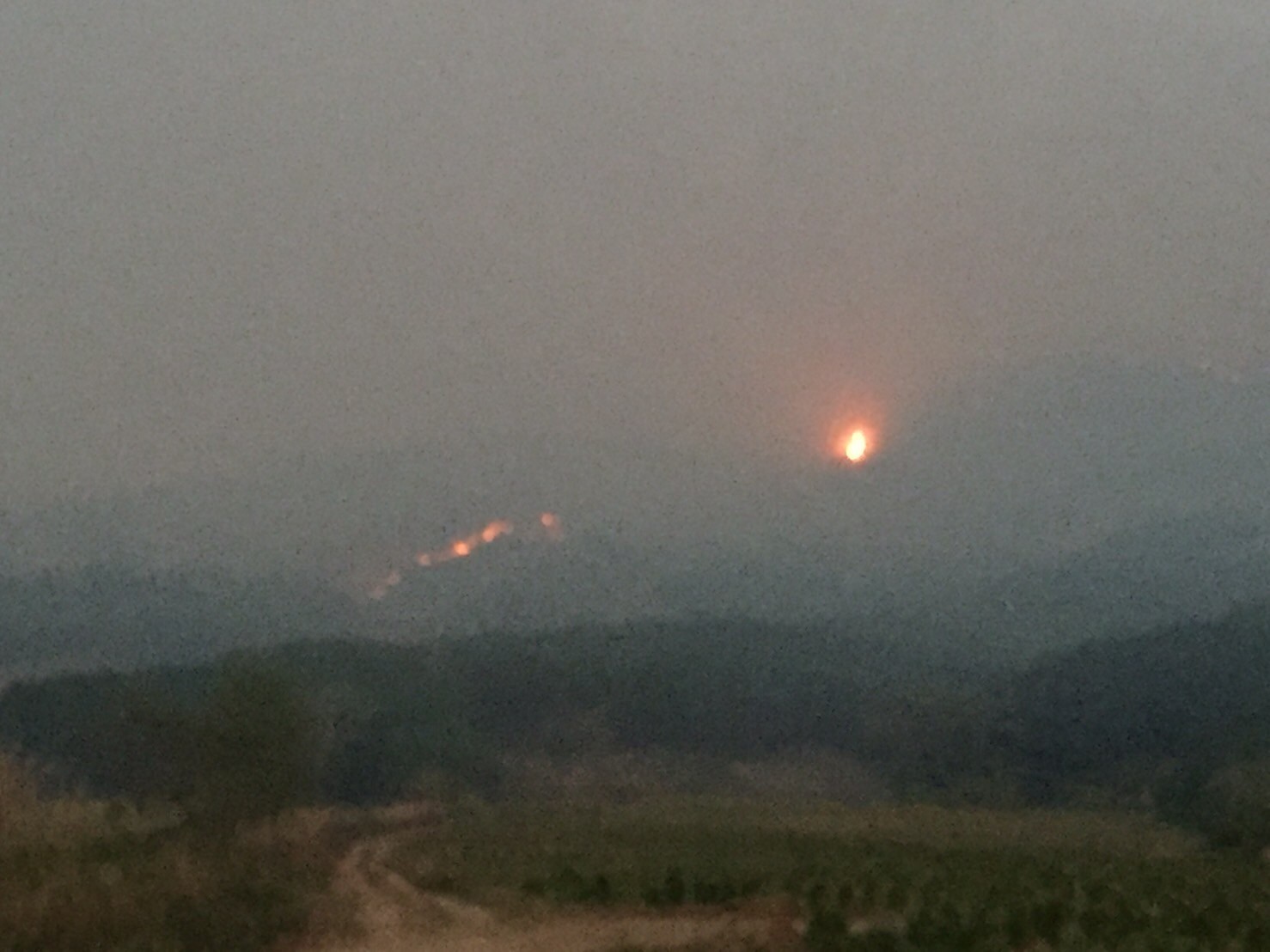
We have "Cooperation Frameworks," but the problem remains unresolved.
At the ASEAN regional level, the ASEAN Agreement on Transboundary Haze Pollution (AATHP) has been in place since 1997 to prevent and mitigate transboundary haze. Meanwhile, Thailand, Lao PDR, and Myanmar have jointly signed the CLEAR Sky Strategy, elevating it to a cooperative action plan for 2024–2030. This strategy focuses on utilizing existing mechanisms, exchanging knowledge, establishing air quality networks, and responding to situations effectively.
However, when considering the number of hotspots and the PM2.5 situation over the past several years, it is evident that the problem persists—and in some years, has even intensified. This demonstrates that the implementation of these cooperation frameworks is still insufficient.
Domestic Action and Border City Cooperation Are Both Essential
Based on the work of the Thailand Environment Institute (TEI) over the past three years in the Thai-Lao-Myanmar border areas—in collaboration with various partner organizations and with financial support from the Agricultural Research Development Agency (Public Organization) or ARDA—it has been found that the smog problem in the North is highly complex and persistently severe.
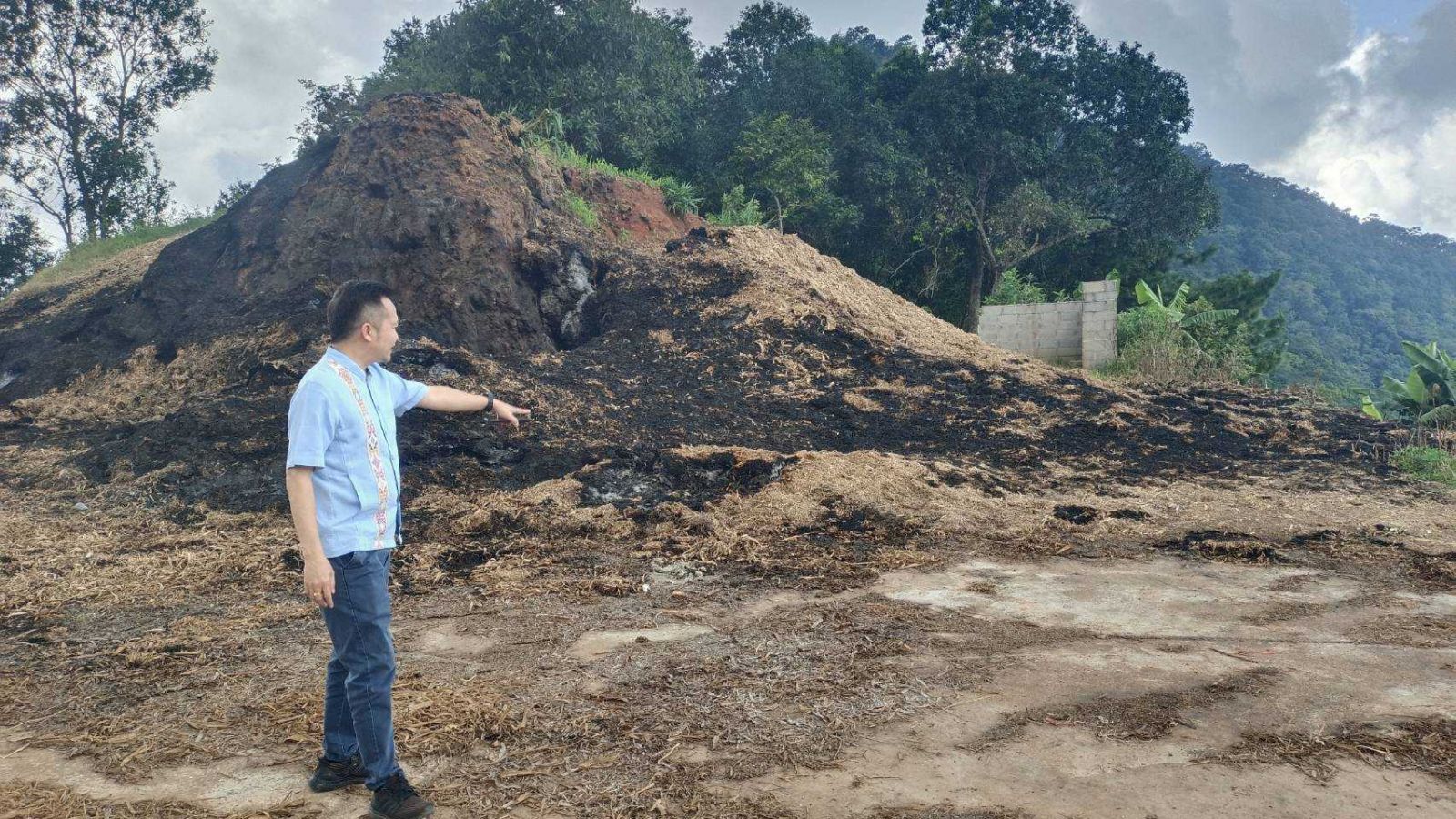
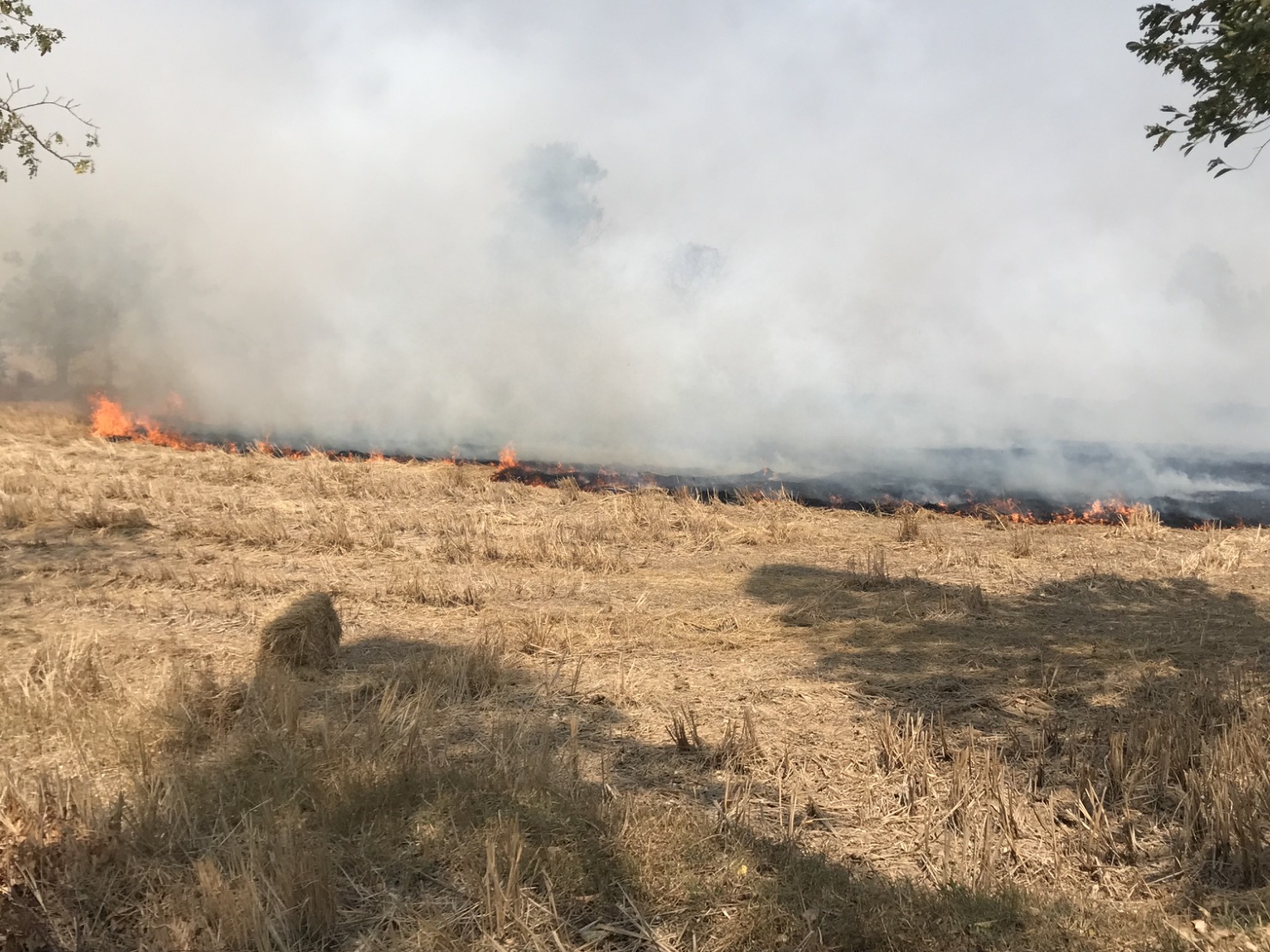
Hotspots occur in both forest and agricultural areas. These include fires from fuel management, land preparation for cultivation, illegal burning, and spreading wildfires driven by multiple factors. When combined with weather conditions and wind directions, particulate matter can swiftly move across borders.
The big question is, "Who is the lead or coordinating agency?"
Although Thailand has multiple relevant agencies covering the environment, forestry, agriculture, foreign affairs, security, and administration, when the transboundary haze problem occurs, the recurring question is: which agency is the primary lead for coordinating international cooperation?
There are policy-level tasks, area-based operations, functional operations in reducing and managing combustible materials, fire prevention and control, as well as negotiating and building cooperation with neighboring countries. Such a fragmented structure means that coordination often relies on "individuals" rather than a "system," which may affect the continuity of long-term operations.
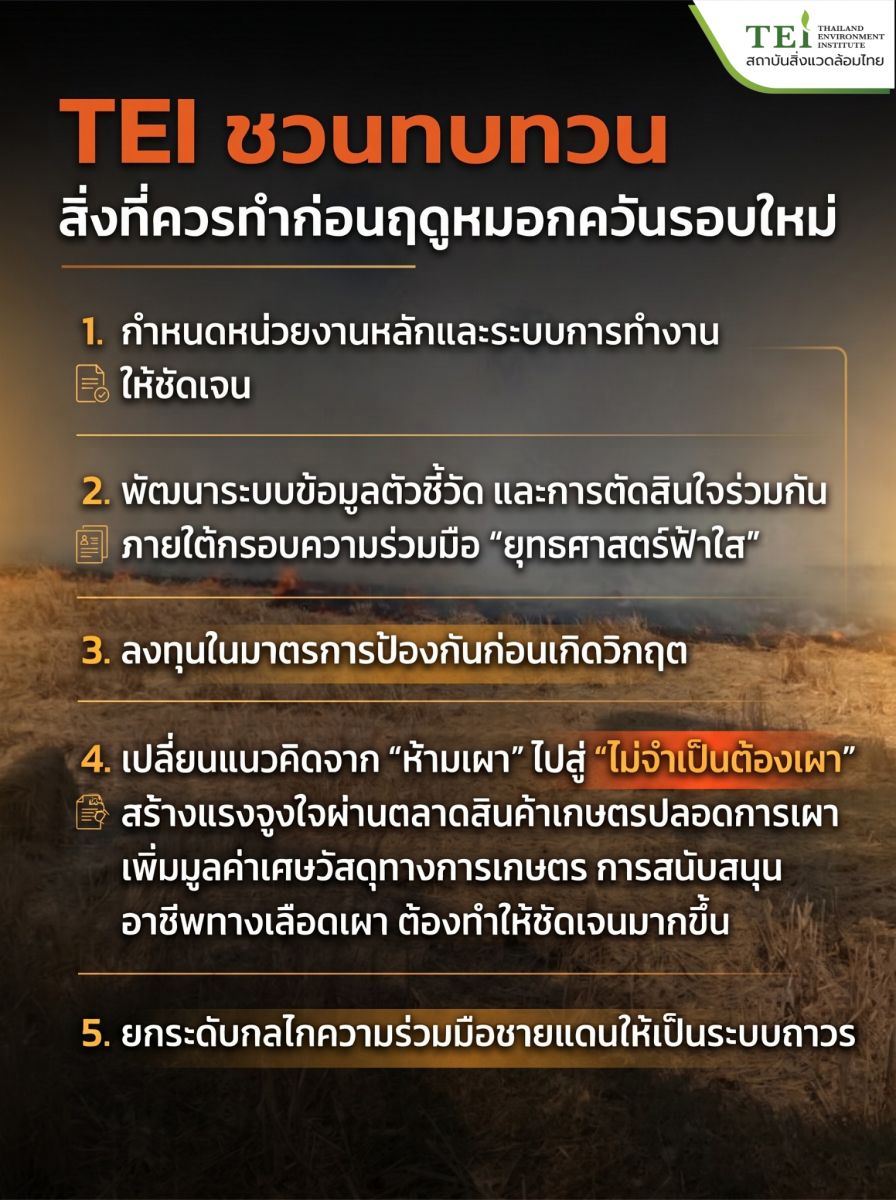
Before the haze season in Northern Thailand returns, the designation of a clear lead agency and working system should be reviewed to ensure operational continuity that does not rely on individuals or short-term projects. This includes developing shared data systems, indicators, and joint decision-making processes. Under the "Clear Sky Strategy" cooperation framework, a Common Platform should be developed to link hotspot data, air quality, risk areas, and forecasts across all three countries, along with defining Joint KPIs so that all parties utilize the same data and standards for planning, decision-making, and evaluation.
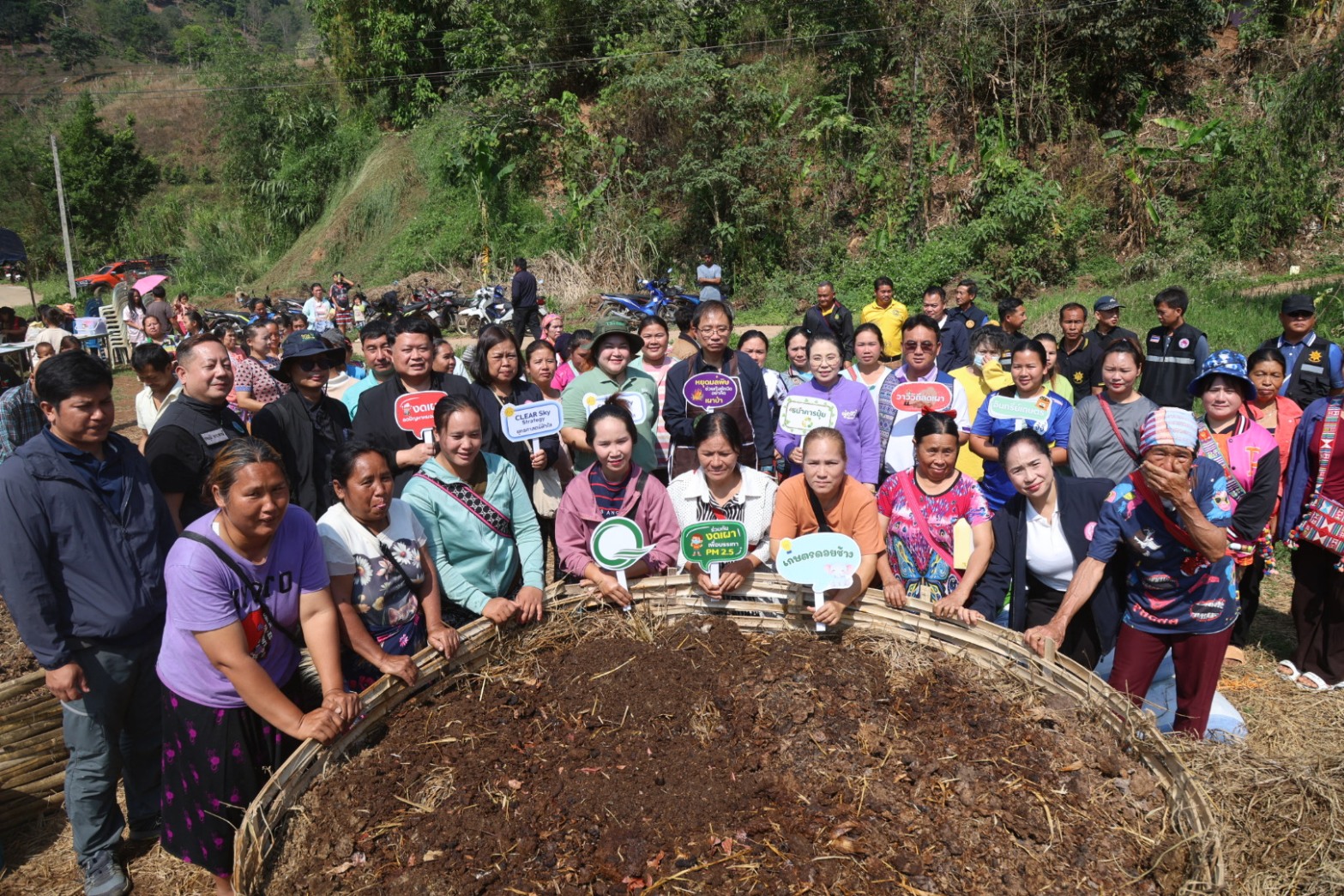
Investments must be made in preventive measures before the crisis hits, shifting from reactive responses to proactive prevention. This includes fuel management, creating alternative livelihoods, ecosystem restoration, early warning systems, and monitoring technologies, which will help reduce hotspots and the severity of fires. If farmers still lack suitable alternatives, burning will ultimately remain their choice for cutting costs.
Incentives through zero-burn agricultural markets, adding value to agricultural waste, supporting alternative livelihoods to reduce burning, and shifting the mindset from "no burning allowed" to "no need to burn" must therefore be made clearer.
Additionally, border cooperation mechanisms should be elevated into a permanent system. Experience from initiating the "twin border cities mechanism" shows that area-level cooperation responds to situations faster than the central government. Therefore, it should be upgraded from a pilot project to a permanent mechanism with a continuous operational framework, budget, and monitoring system.
Transboundary haze is not a problem that will disappear in the short term. No country can solve it alone, but we must shift from "discussion" to "joint action." This ensures that during the haze seasons in the coming years, we will not have to start from scratch, but rather take a step forward in solving the problem built continuously upon the foundation of cooperation from previous years.


Share: