Amid interest and questions from the private sector and interested parties regarding EU due diligence regulations, Thailand’s preparations continue to move forward.
Through the collaboration between the
Deutsche Gesellschaft für Internationale Zusammenarbeit (GIZ) and the
Thailand Environment Institute (TEI) under the
"FIT for FAIR" project (Enhancing readiness of Thailand to facilitate sustainable trade and alignment with EU Due Diligence Regulations)—supported by the
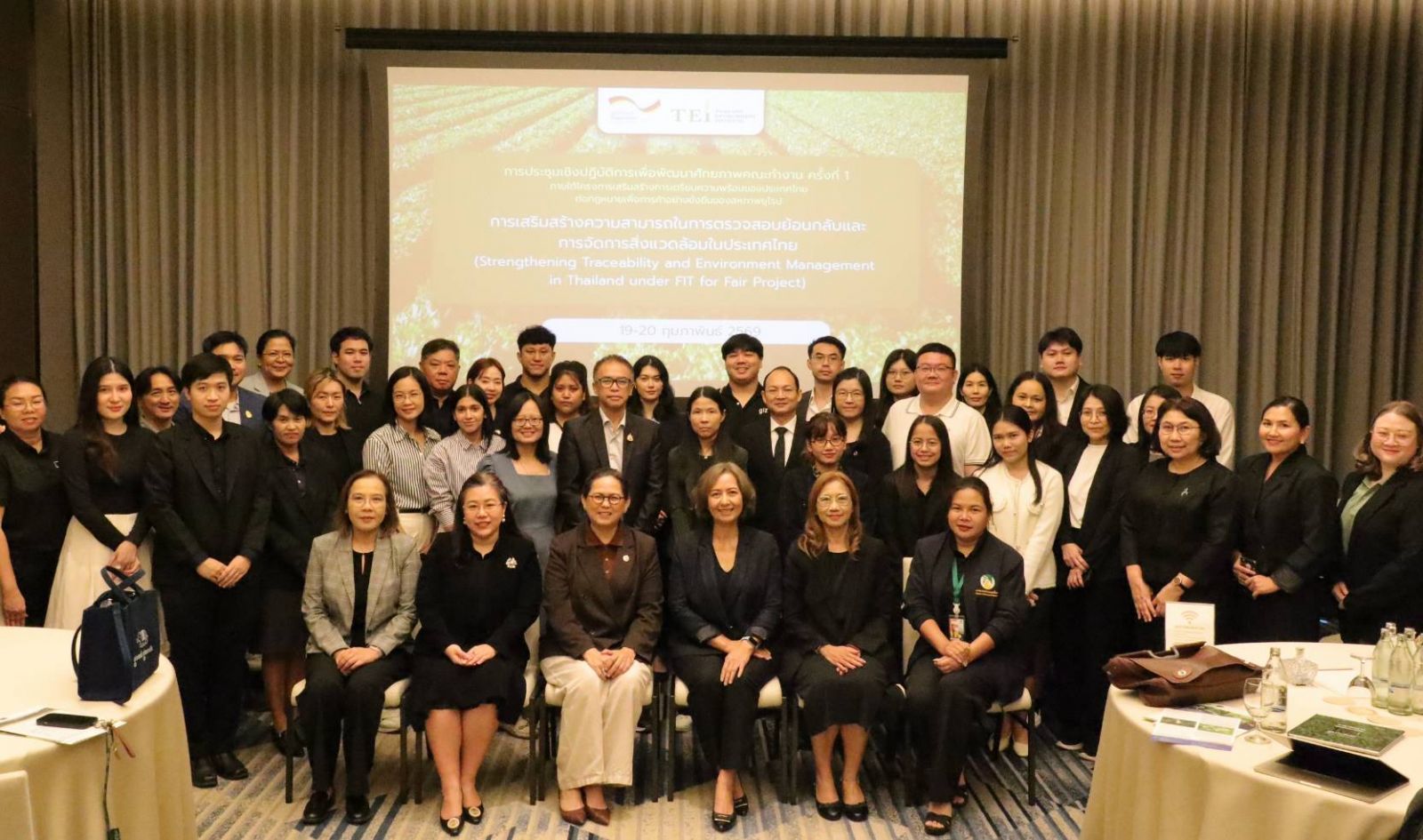
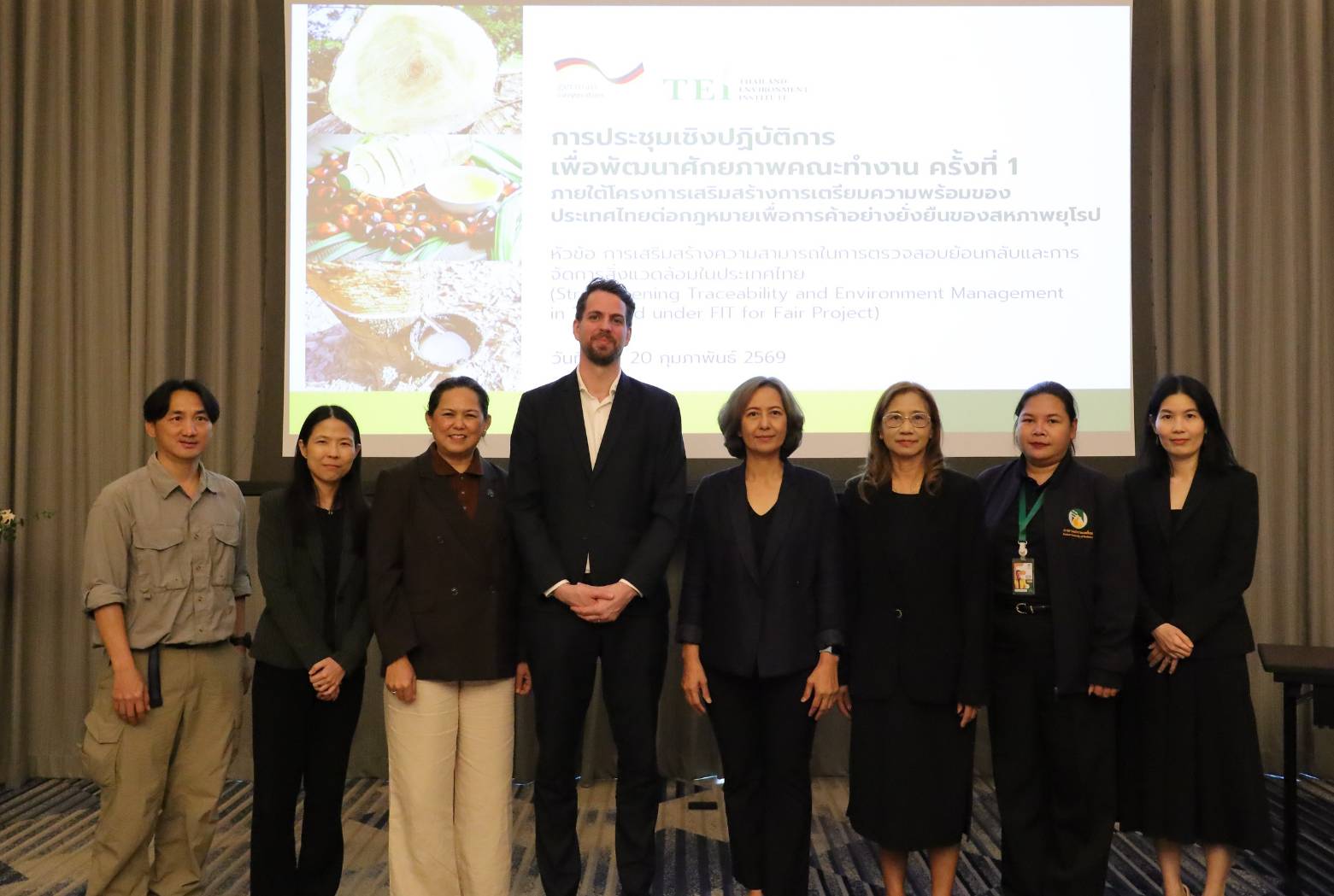
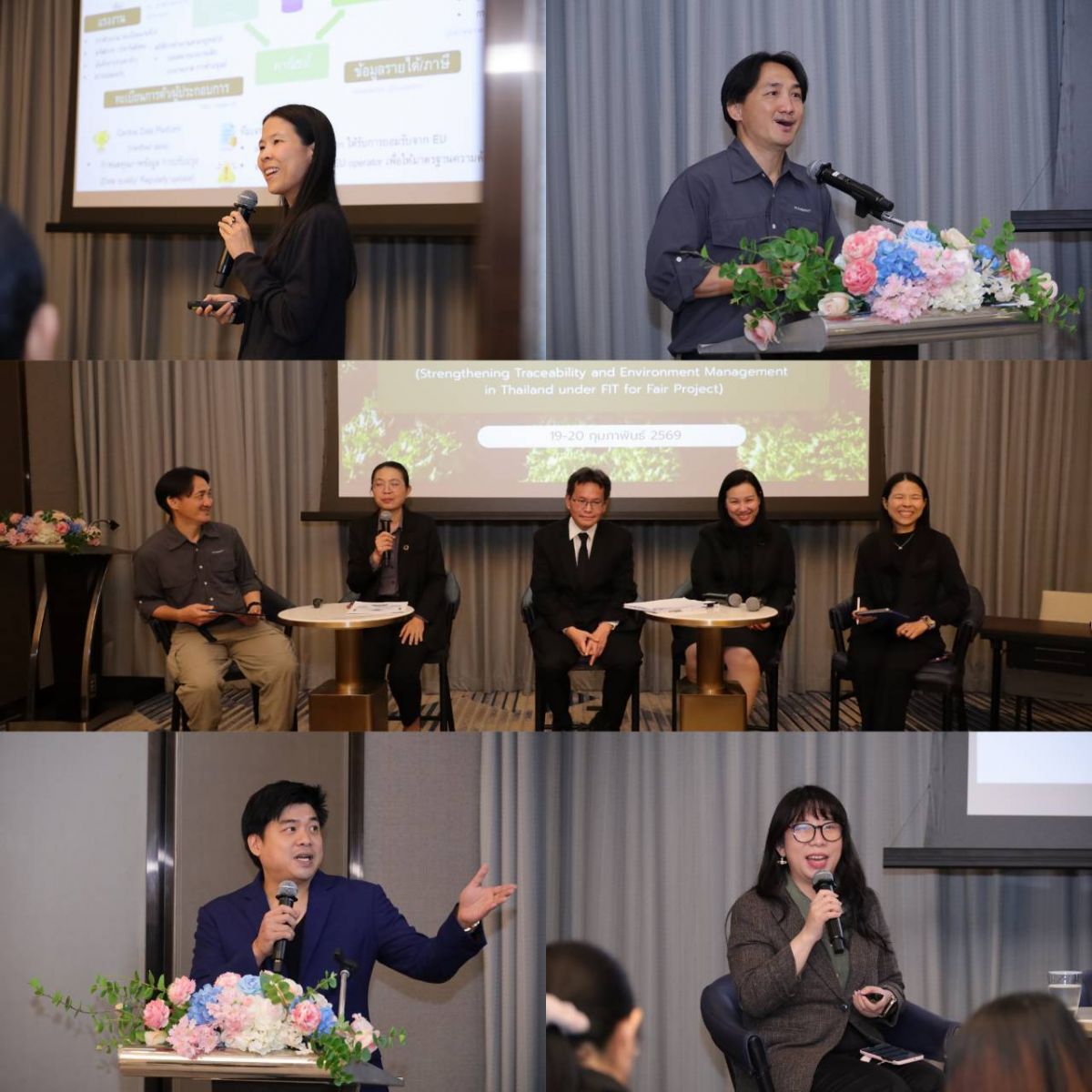
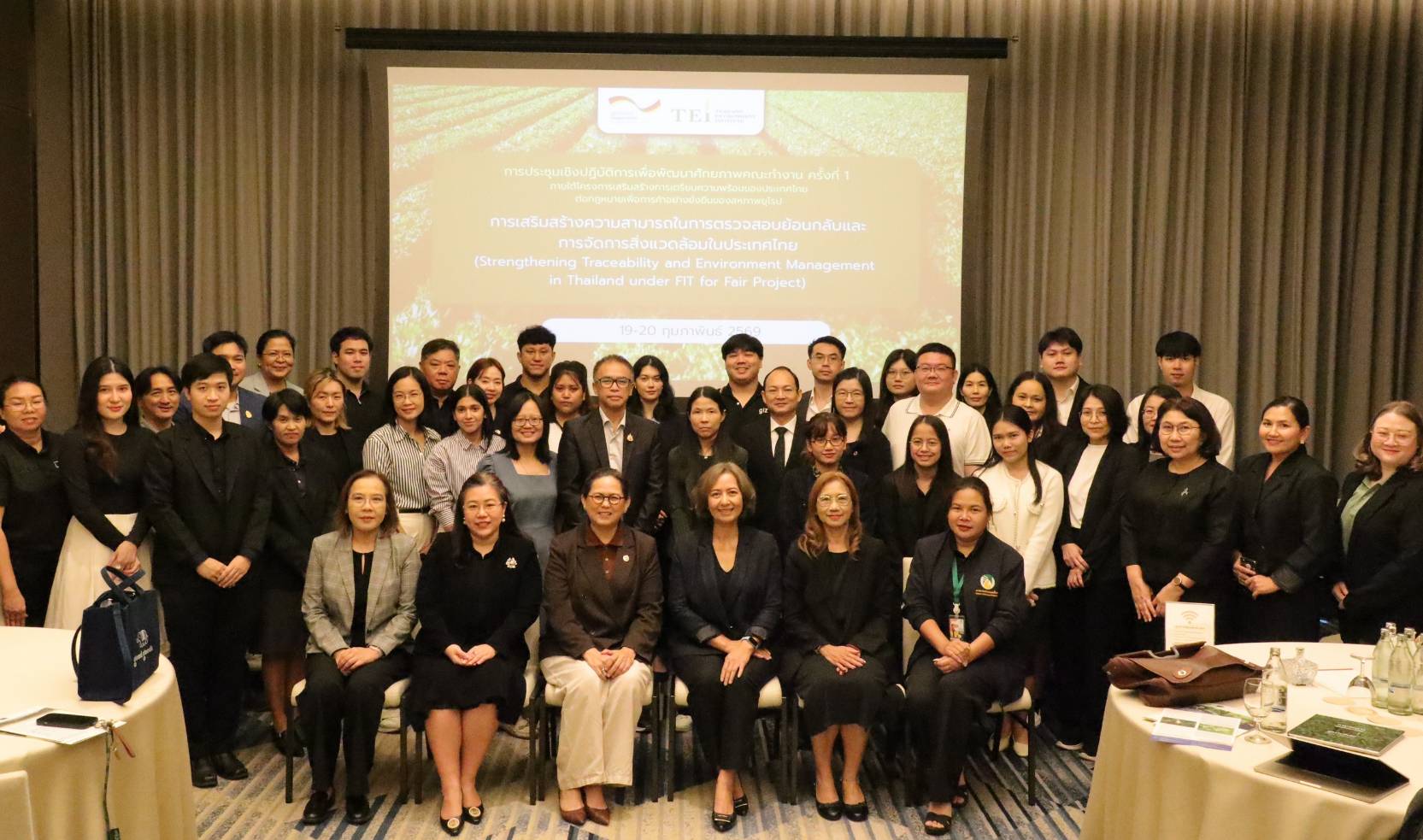
German Federal Ministry for Economic Cooperation and Development (BMZ)—a workshop was organized to enhance capabilities in traceability and environmental management. Held on
February 19-20, 2026, the workshop was attended by over 60 participants from the government, private sector, and academia.
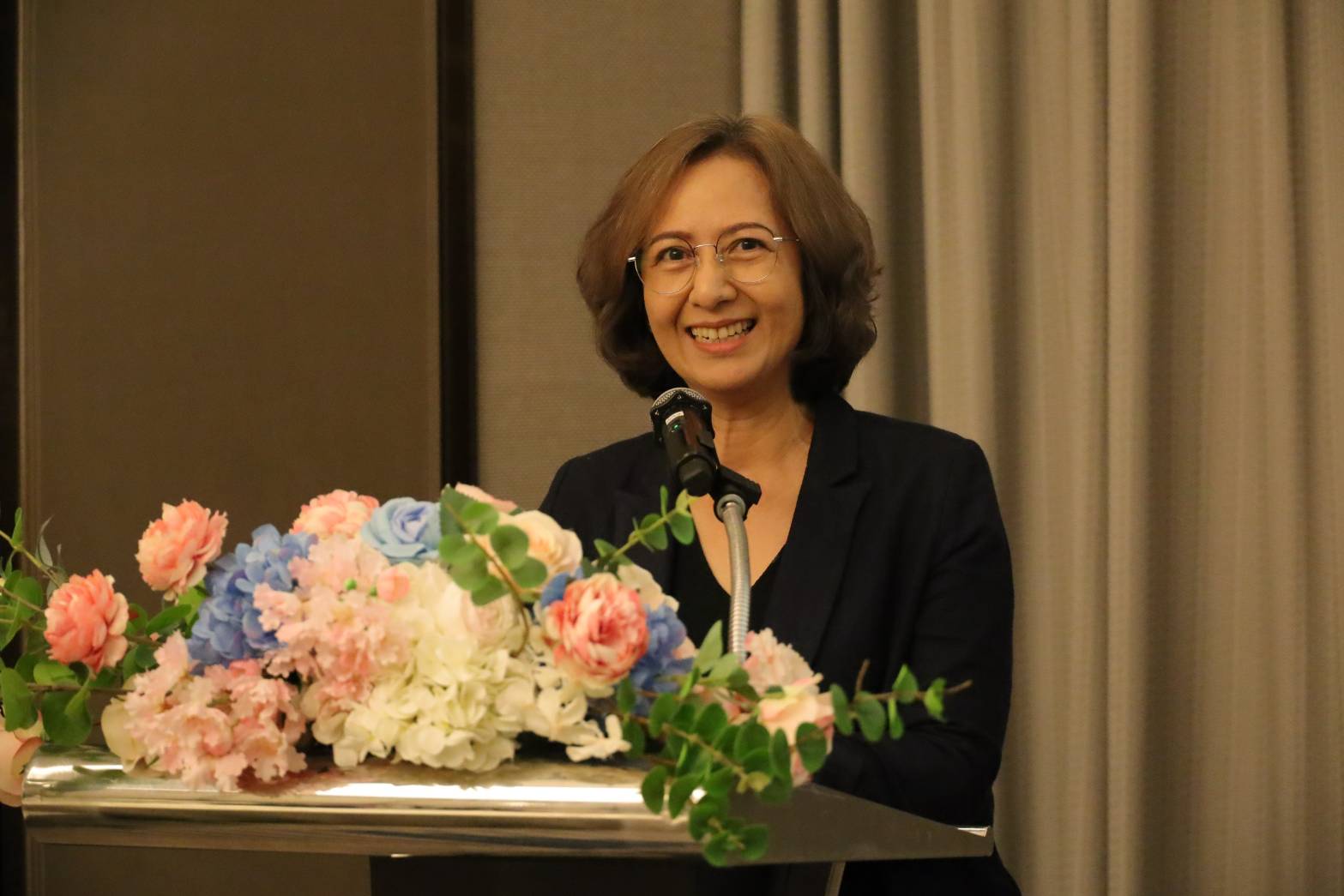
Dr. Benjamas Chotthong, Director of the Project Development and Planning Department at the Thailand Environment Institute, stated:
“We can view these EU due diligence regulations as an opportunity to develop Thailand's production processes throughout the supply chain, elevating businesses to a new standard of sustainability.”
Meanwhile,
Mr. Julian Tost, Deputy Cluster Coordinator and Project Director of the FIT for FAIR Project, GIZ Thailand, emphasized:
“Amidst complex regulations, smallholder farmers are the group we must consider—how they can maintain their trade market under these regulations.”
The meeting highlighted key regulations and laws to build a shared understanding, including the
EU Deforestation Regulation (EUDR) and the
Corporate Sustainability Due Diligence Directive (CSDDD). Representatives from relevant sectors were also invited to brainstorm, such as:
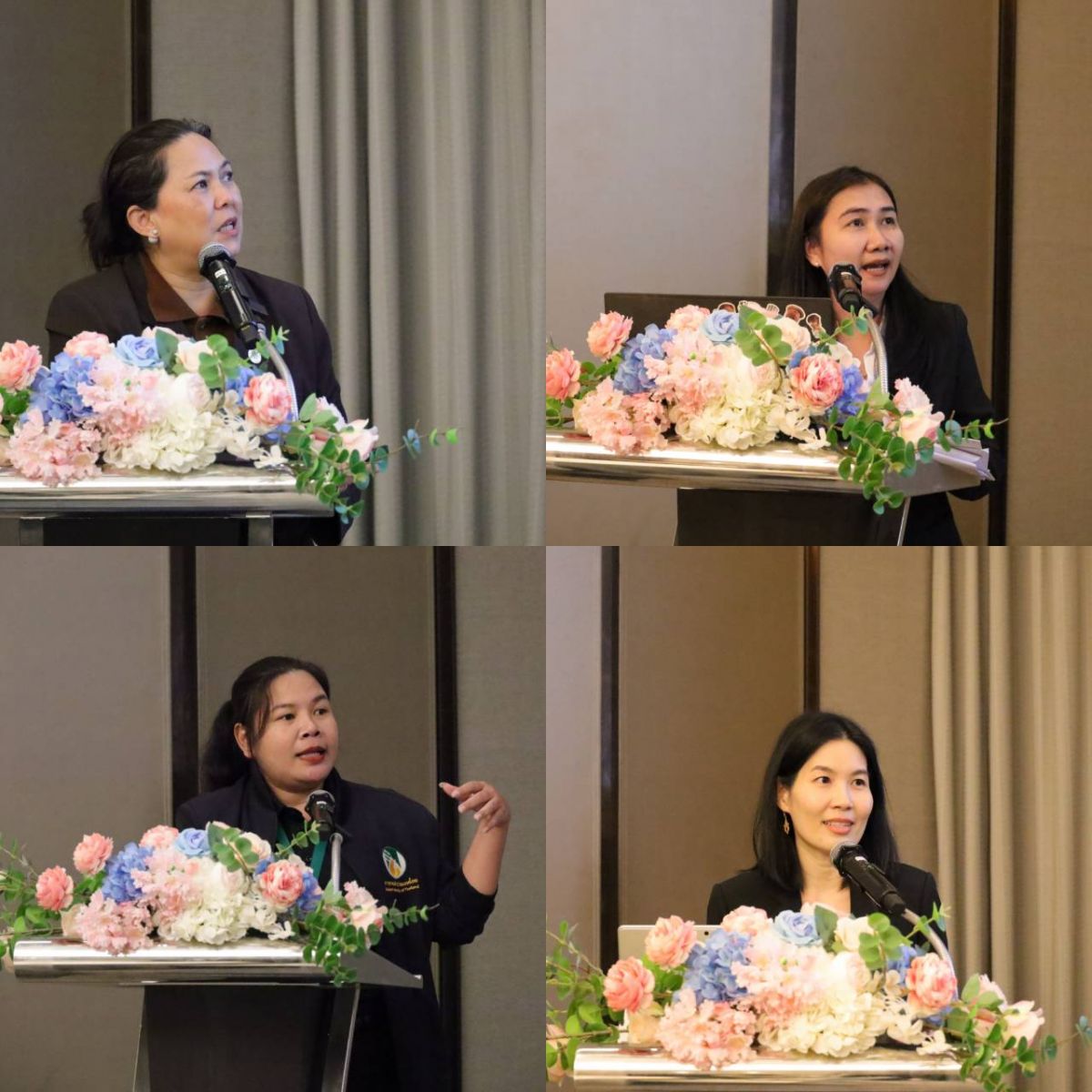
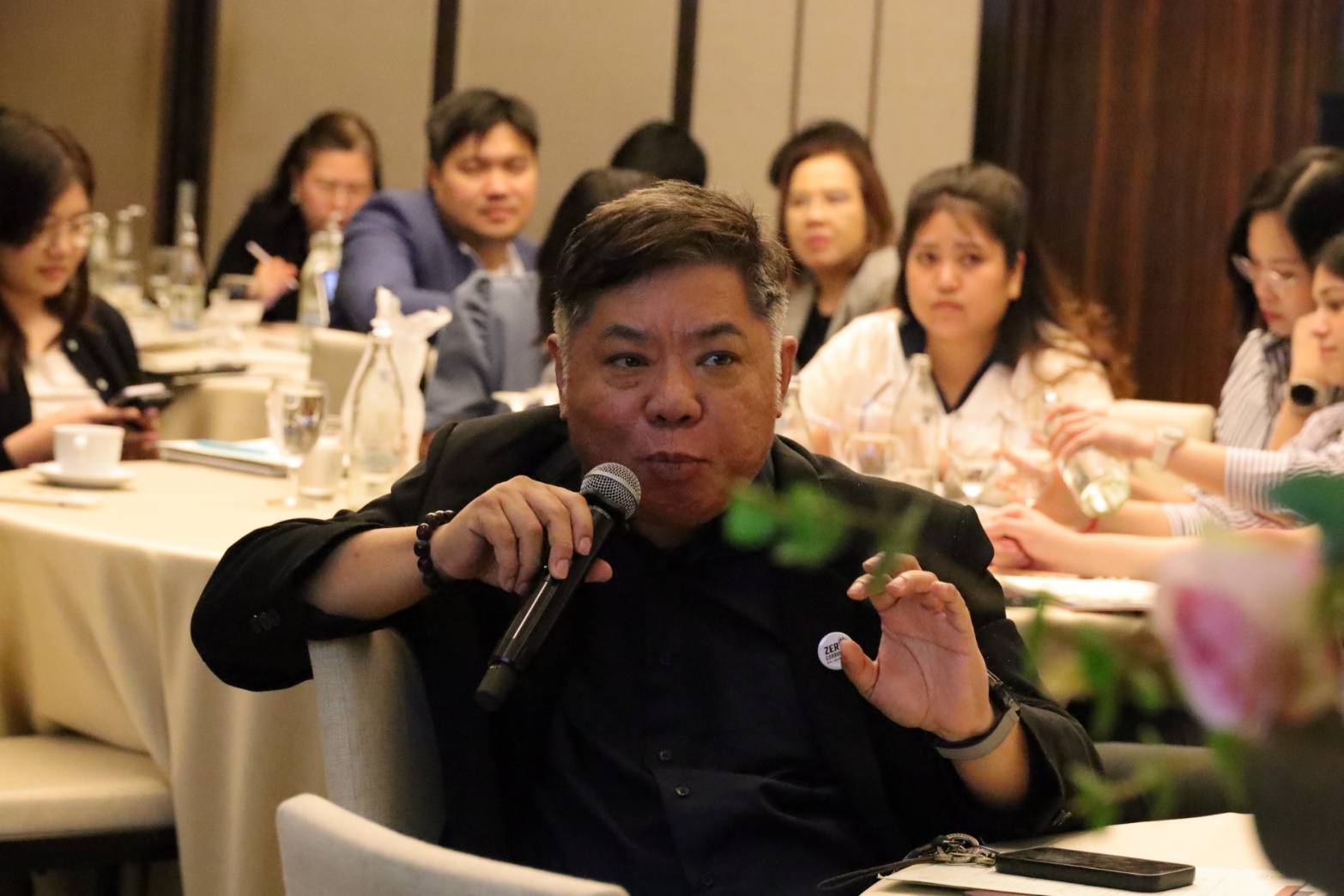
- Ms. Boonyanut Sribunkaew, Acting Head of the Rubber Market Development Department, Rubber Authority of Thailand, said: “Farmers don't just need to know how to sell; they must know how to sell sustainably and access every market. Part of this success comes from cooperation across all sectors.”
- Ms. Rattada Laphnun, from the Roundtable on Sustainable Palm Oil (RSPO), stated: “Thailand is the world's third-largest palm oil exporter. However, smallholder farmers in this sector have very limited access to group organization and low awareness of these standards.”
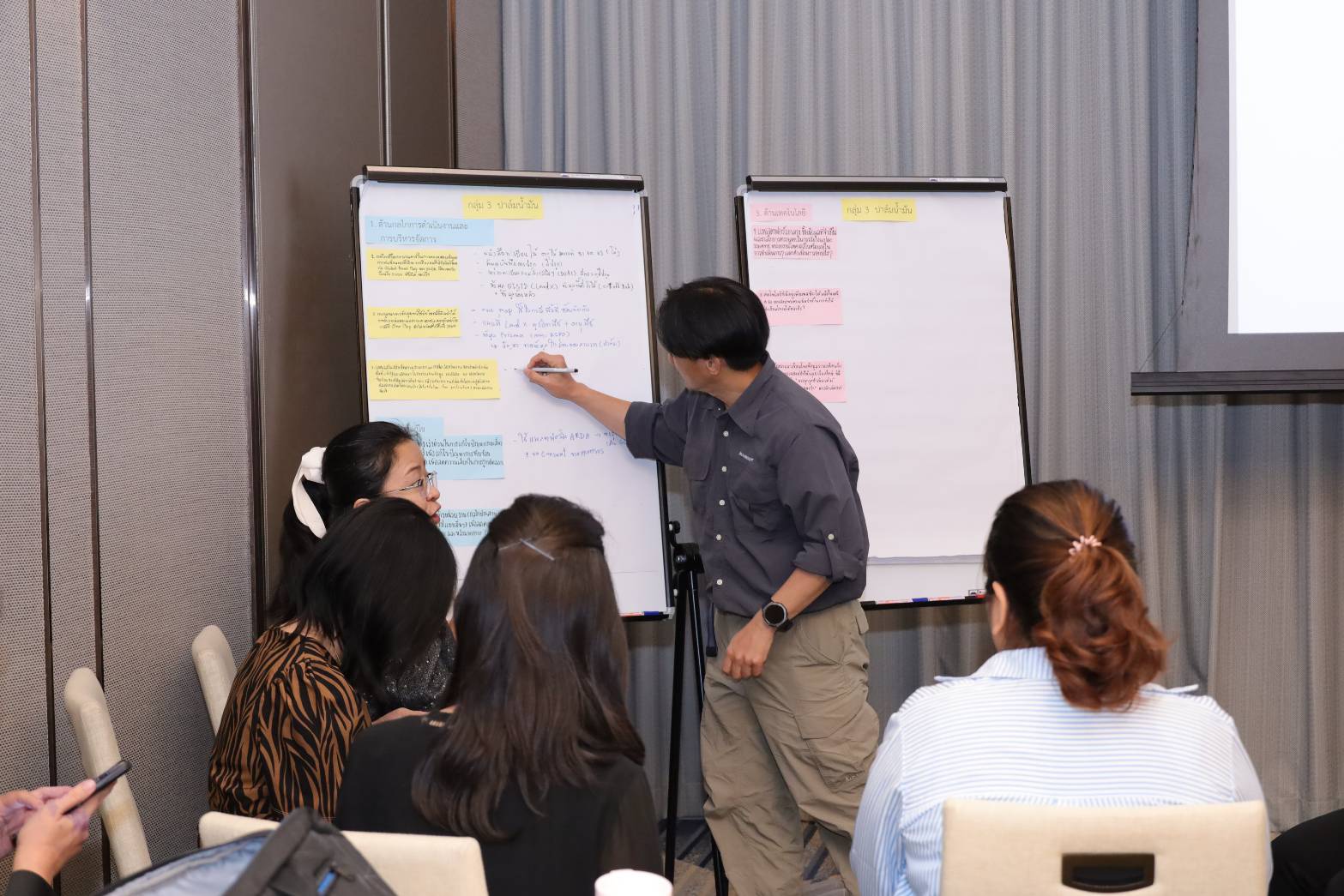
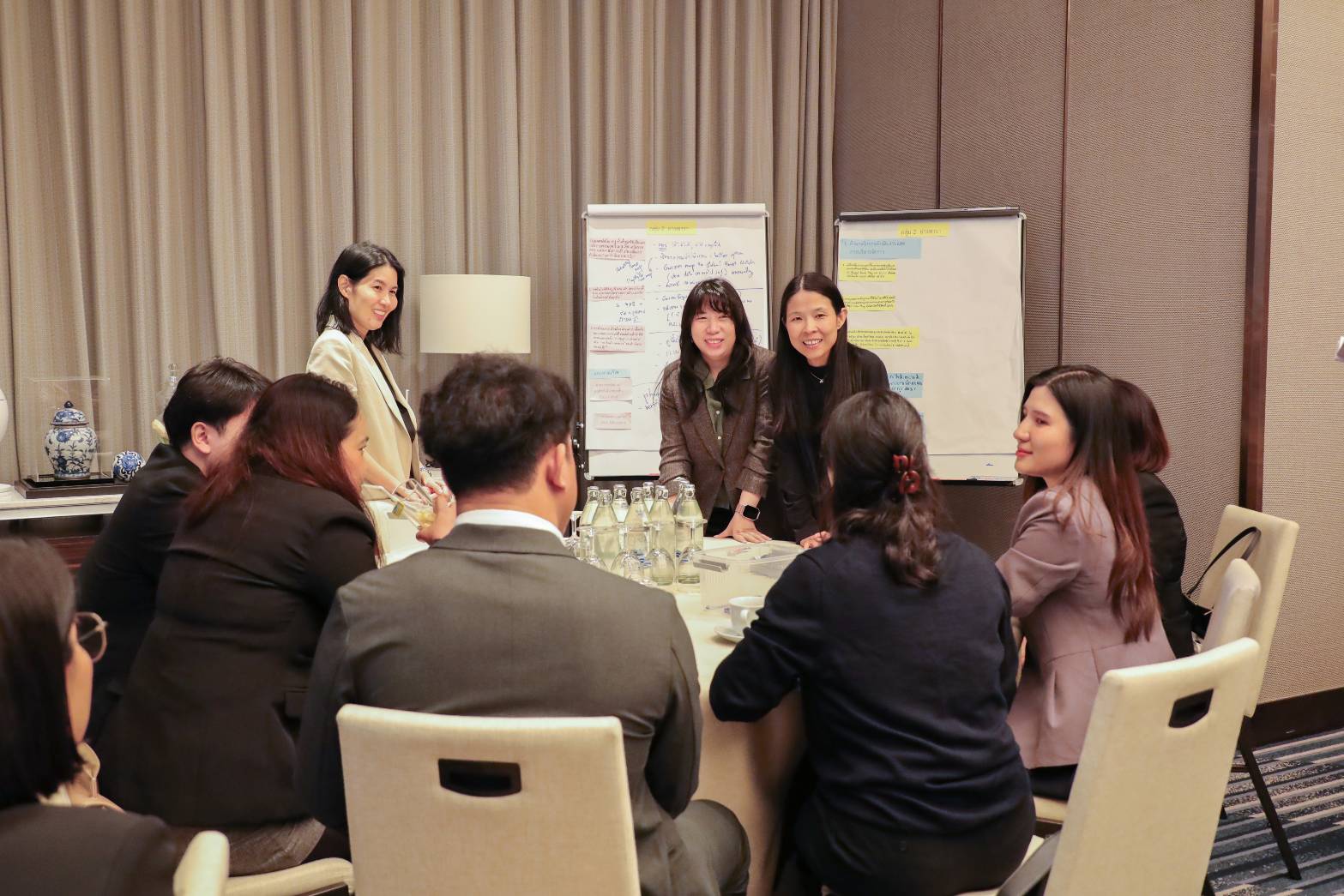
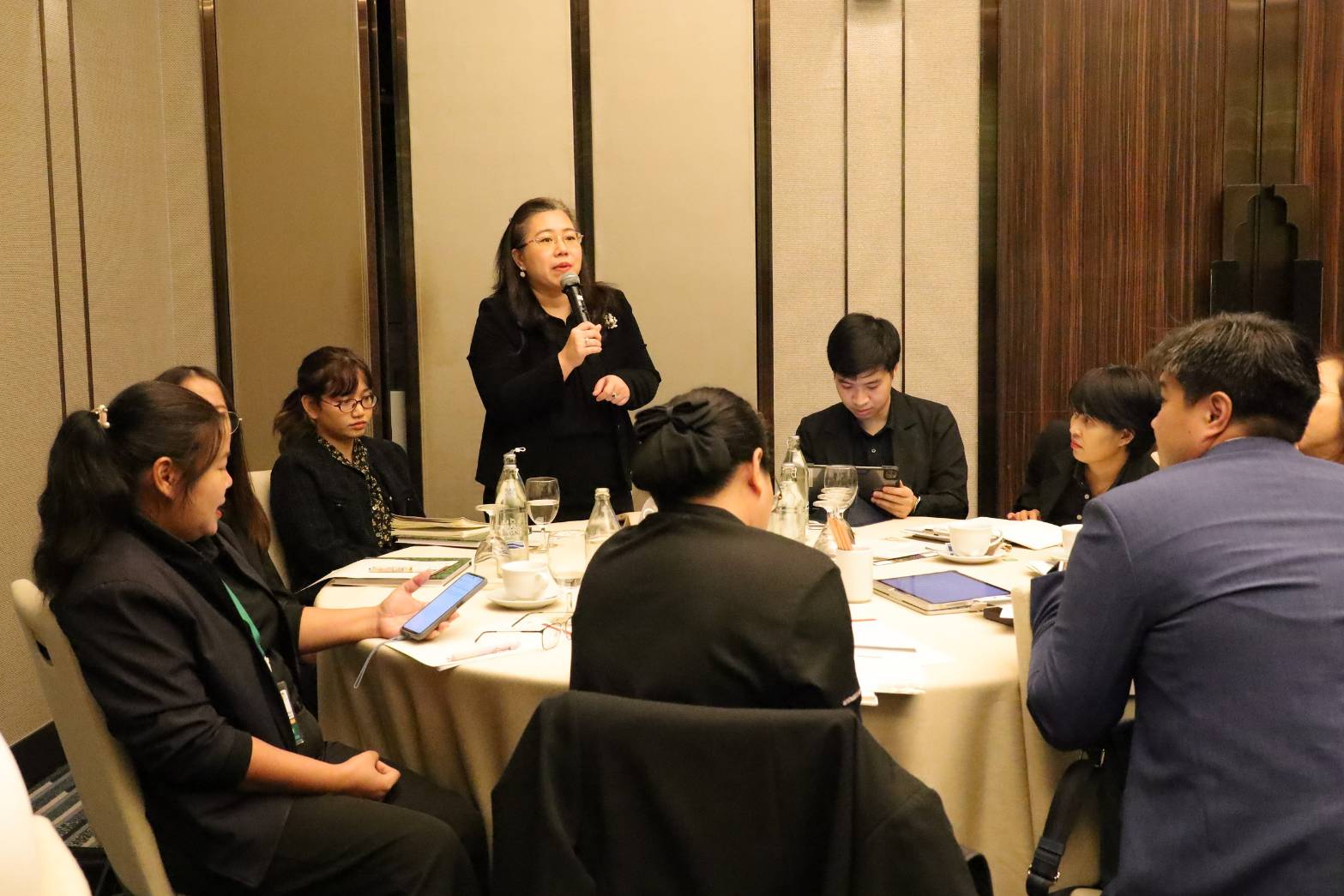
Participants brainstormed through group activities and concluded that there is an urgent need to
develop standardized and easily accessible data systems, establish committees to negotiate and build trust with the EU, and make other preparations. The public sector, private sector, academia, and farmer representatives must collaborate across four areas:
1) Agriculture and Land, 2) Industry, 3) Commerce, and 4) Human Rights. This ensures the country does not lose export opportunities to the EU market and builds for the nation's production sector.
This workshop series will convene again on
March 17, 2026, focusing deeply on
“Human Rights Due Diligence,” which is a key condition the EU prioritizes as much as environmental issues—including labor rights, minimum wage, safety, equality in the supply chain, and the protection of local communities, etc.
_0.jpg)
_0.jpg)
_0.jpg)
_0.jpg)


Share: